Memory
Czechoslovakia before WW II
Between 1918 and 1938, Czechoslovakia was widely regarded as one of the most democratic and tolerant states in Central Europe. The country had one of the largest and most diverse Jewish populations in the region. Jews participated actively in business, medicine, law, academia, literature and public life.
The earliest written records of Czech Jewish settlement date from the second half of the 15th century.
The 1930 Czech census identified some 356,000 Jews, representing about 2.4% of the country’s total population of 14.7 million. Religious identity and ethnic identity did not always align. Some Jews identified ethnically as Jewish, while others identified as German, Czech, Hungarian or Slovak.
The Jewish population was concentrated in Prague, Brno, Bratislava and Carpathian Ruthenia (today largely part of Ukraine). The Czech lands of Bohemia and Moravia were home to some 118,000 Jews. Slovakia home to 136,000 and Carpathian Ruthenia 95,000. A few thousand Jews lived in other areas.
The Holocaust
The Jewish population of Czechoslovakia was devastated during the Holocaust. Through deportation and murder, some 260,000-270,000 Czech Jews perished. These people represented three-quarters of the pre-war Jewish population. Some 80,000-82,000 Jews were from Czech lands. 70,000-75,000 Jews were from Slovakia. Most Jews from Carpathian Ruthenia were deported to Auschwitz in 1944 after Hungarian occupation.
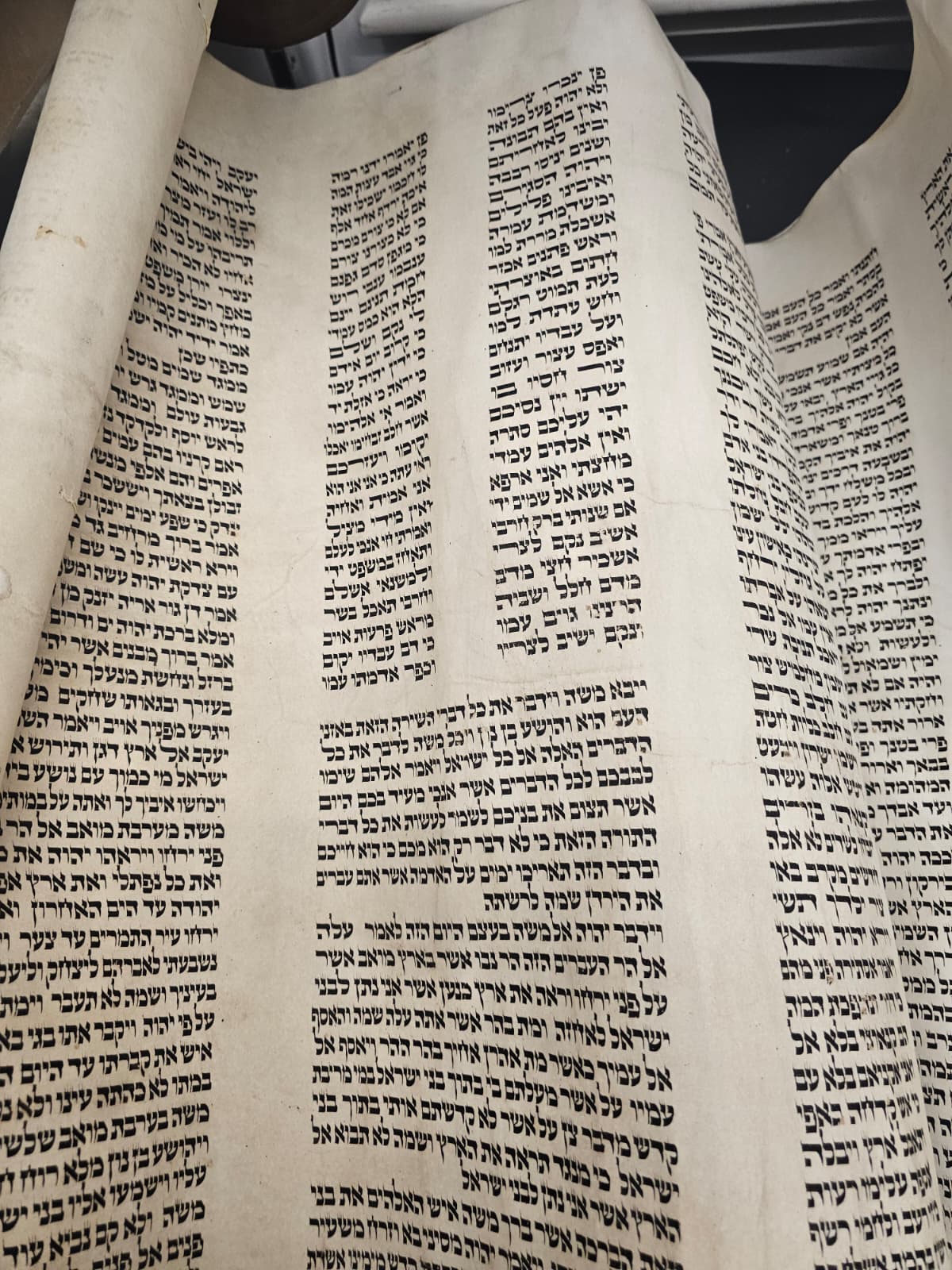
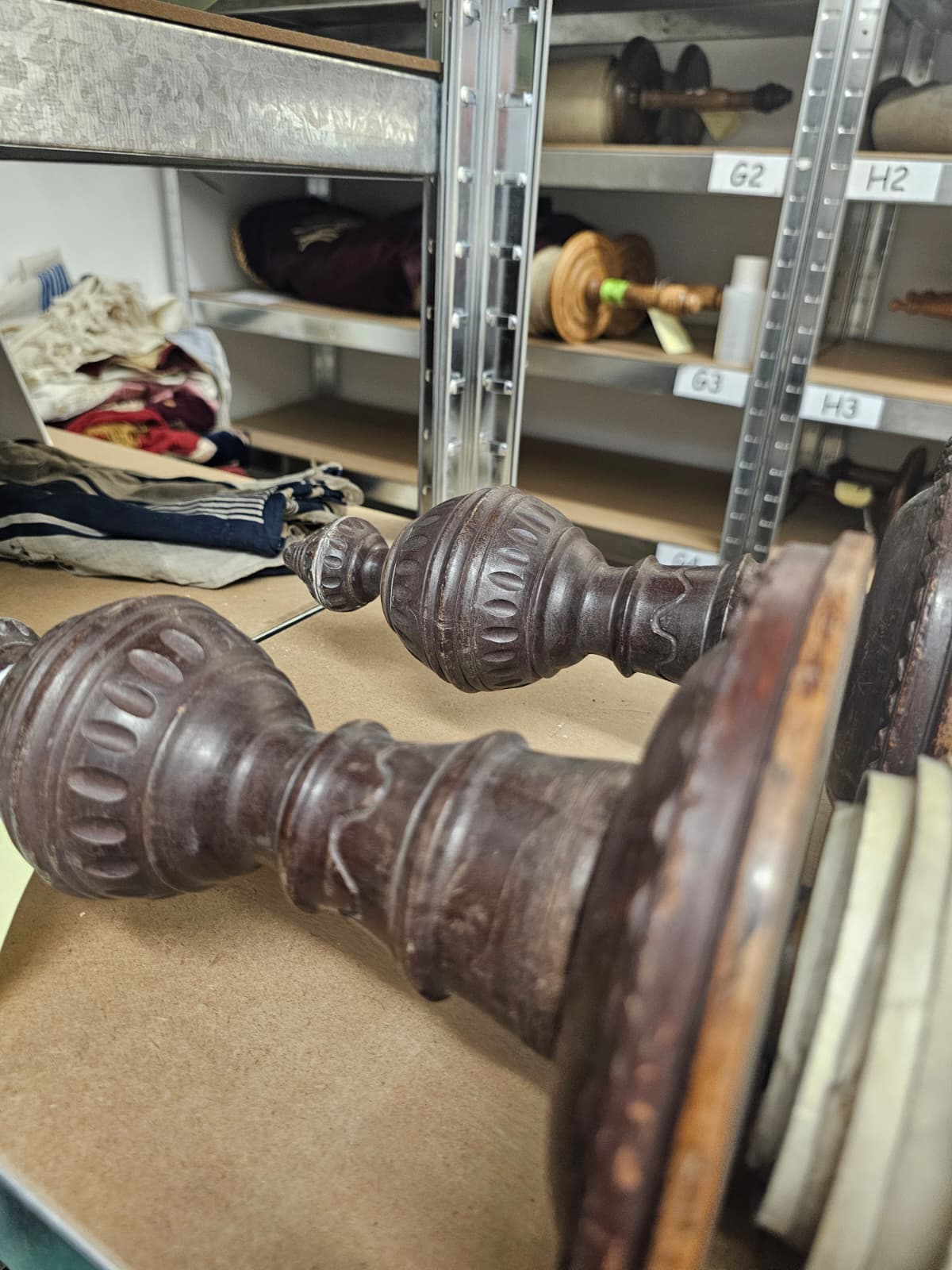
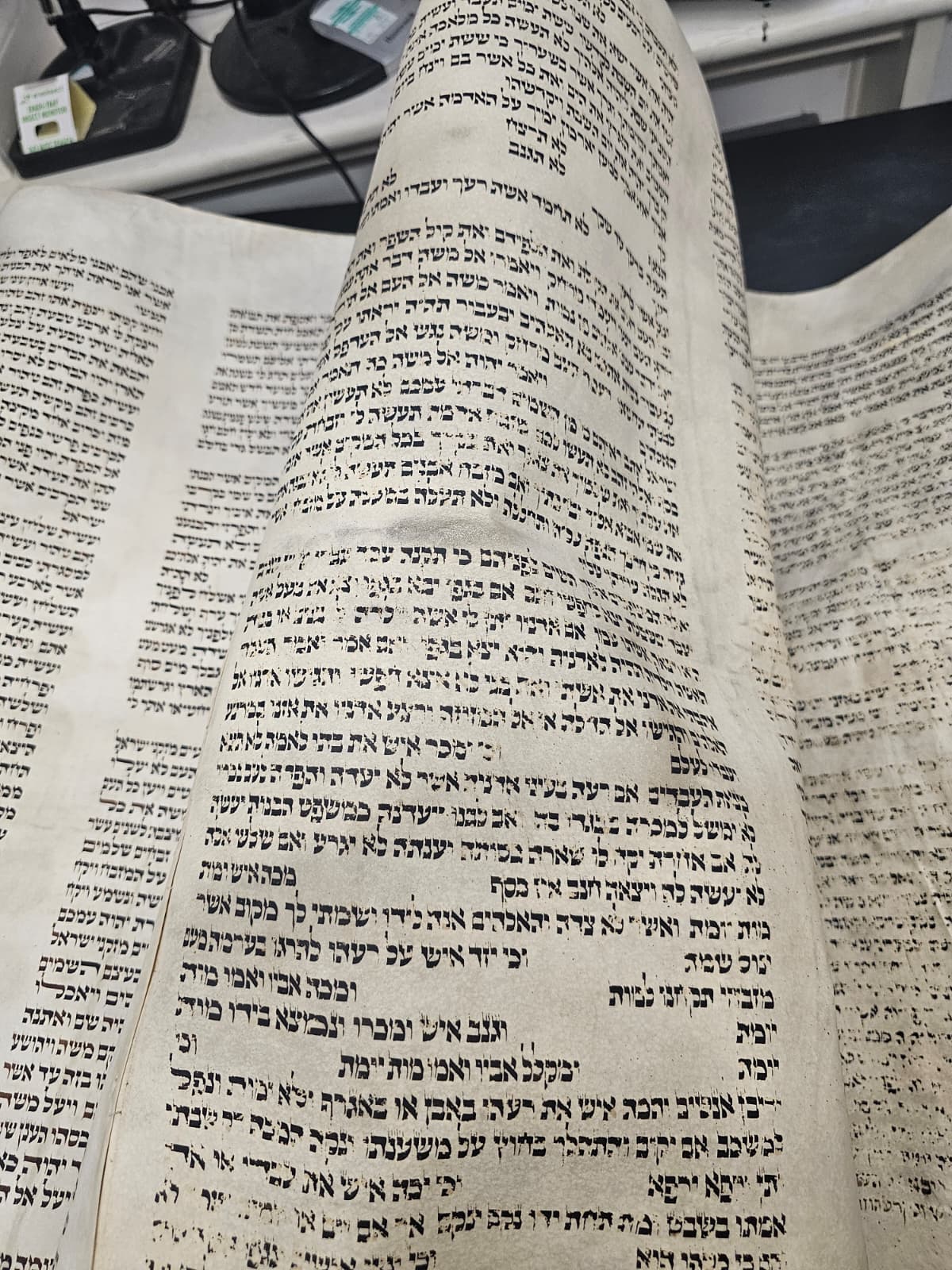
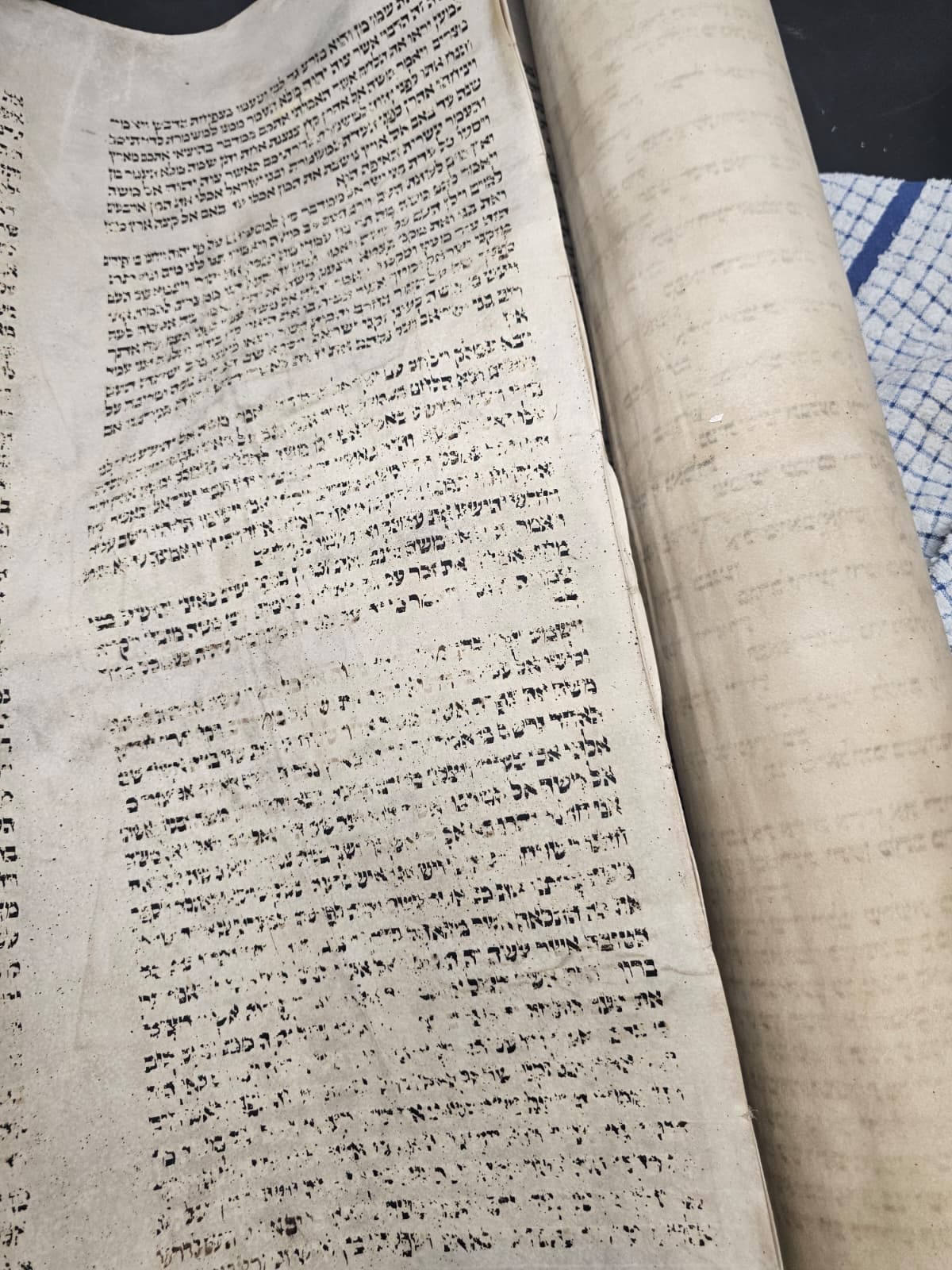
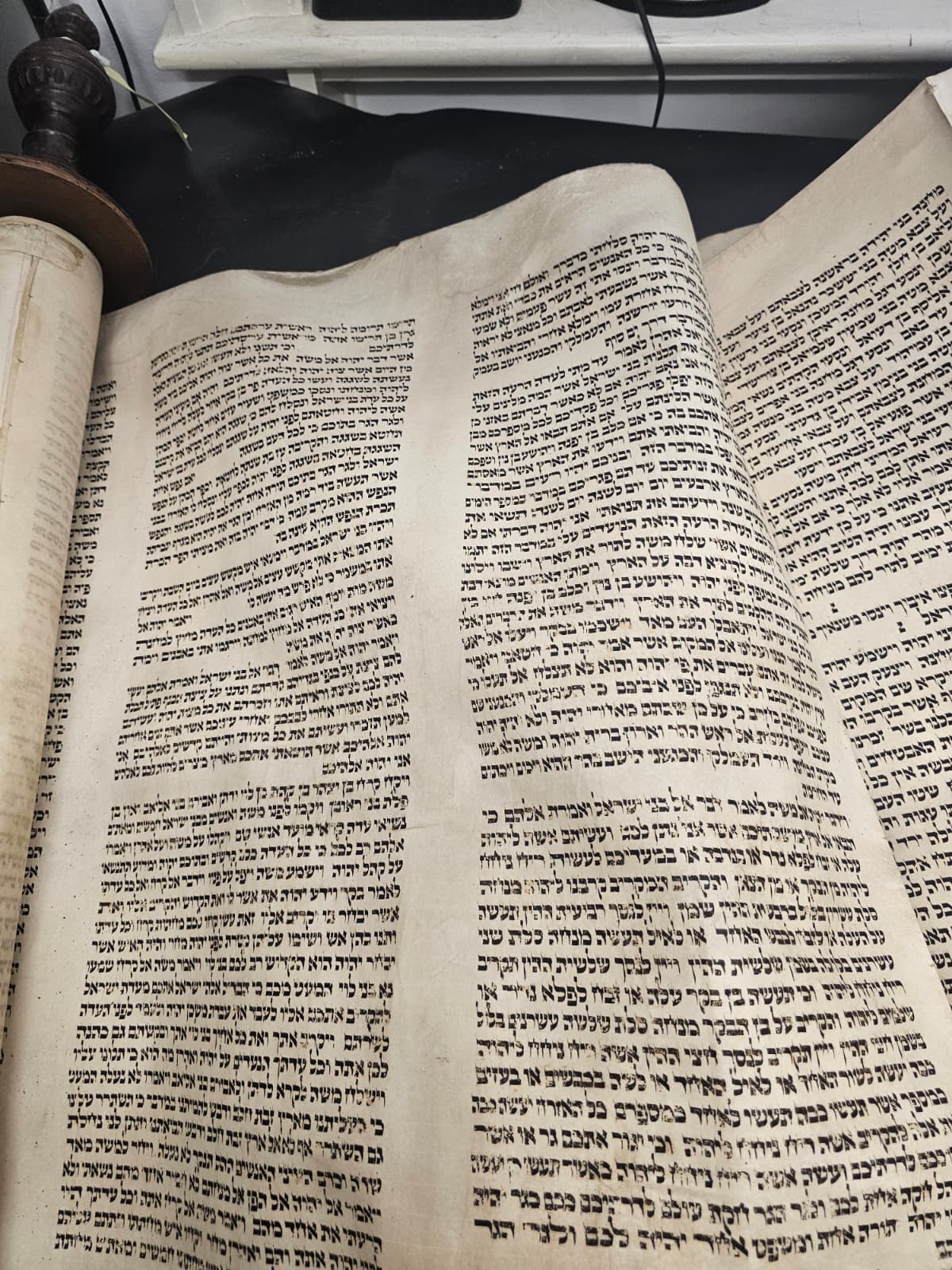
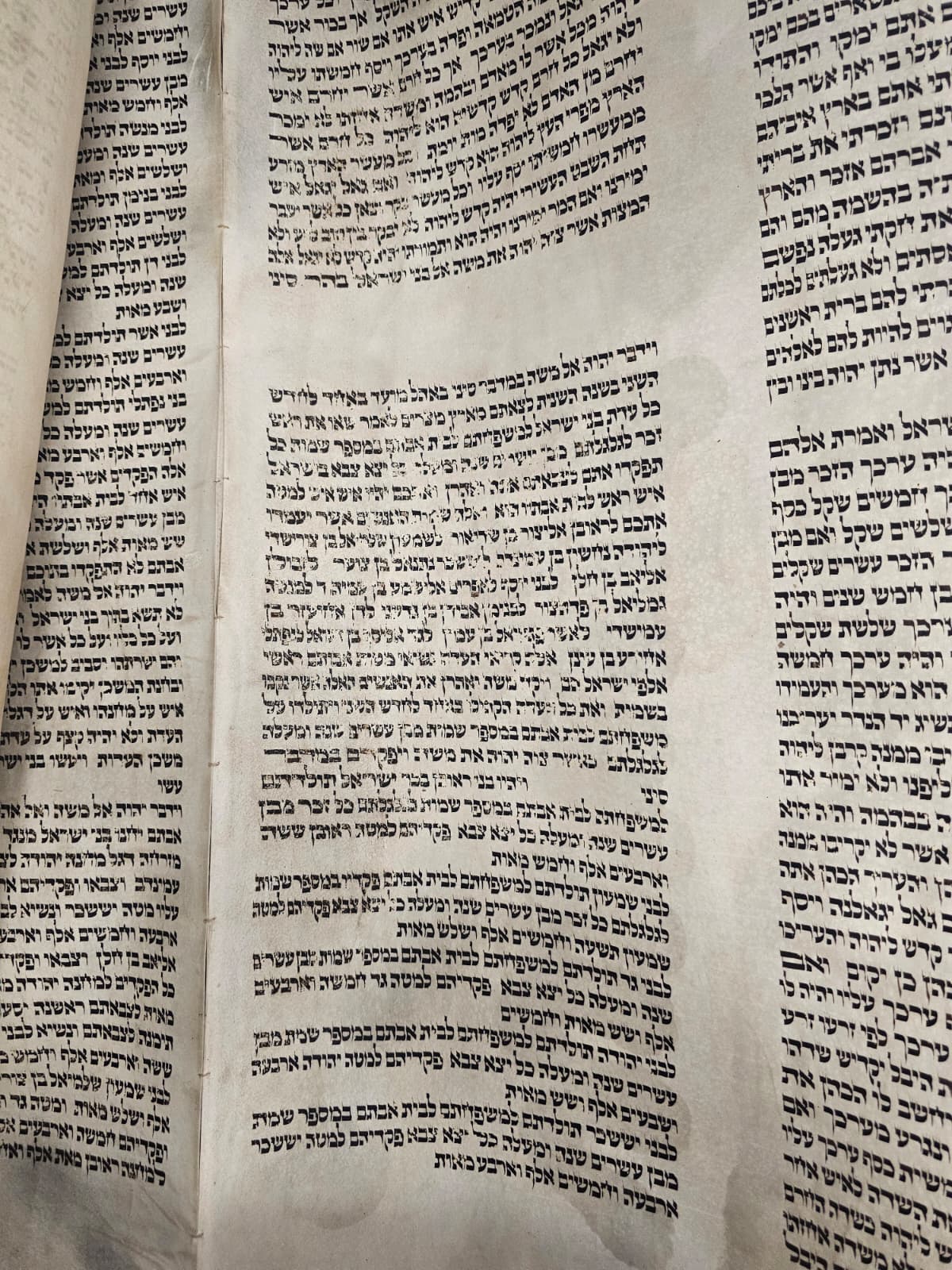
As just one example of the devastation, after the war, only two survivors returned to Březnice, home of MST 274, the Torah MST is allocating to this project. The local Jewish community was not renewed. The synagogue was turned over to the Jewish Community in Prague in 1994 and the building underwent extensive renovation works based on a project by architect M. Sedlák. The building’s restoration and preservation were completed thanks to “Revitalization of Jewish Monuments” funding, which funded a total of CZK 19,221,000 (roughly $2.2 million CDA in 2026) on the project.
Canada’s immigration policy during WW II
Regrettably, there is no precise count of how many Czech Jews emigrated to Canada because immigration records generally tracked country of origin, not both nationality and religion together.
Canada’s immigration policy toward Jewish refugees was extremely restrictive. Historians estimate that fewer than 5,000 Jewish refugees entered Canada between 1933 and 1945 from all countries, not just Czechoslovakia. 5,000 is believed to be the lowest number among major western and other democratic countries by both actual and per capita numbers.
Among refugees from Nazi-occupied Czechoslovakia, perhaps 1,100 eventually emigrated to Canada. After WW II, most Czech Jewish survivors arrived as displaced persons or refugees from Communist rule. During 1948-1952, the Canadian Jewish Congress reports 2,067 Czech Jewish immigrants.
Jewish refugees from other countries
Of course, Czechoslovakia and its Jewish population were not the only European countries and people affected by the Holocaust. Estimates suggest there were some 9.5 million Jews across Europe before WW II. By 1945, approximately two-thirds had been murdered. This left 3.3 million Jewish survivors in Europe.
The post-war numbers declined further when European Jews emigrated to Israel, North America and elsewhere.
The importance of the rescued Torah MST 274
By the 1950s, Canada had one of the largest Holocaust-survivor populations outside Europe and Israel. Not all of the survivors and their descendants can connect with surviving Torah scrolls from their own European communities. This gives the rescued Holocaust Scrolls, including the ones allocated across Canada, strong connections to all Canadian Jews from many different countries.
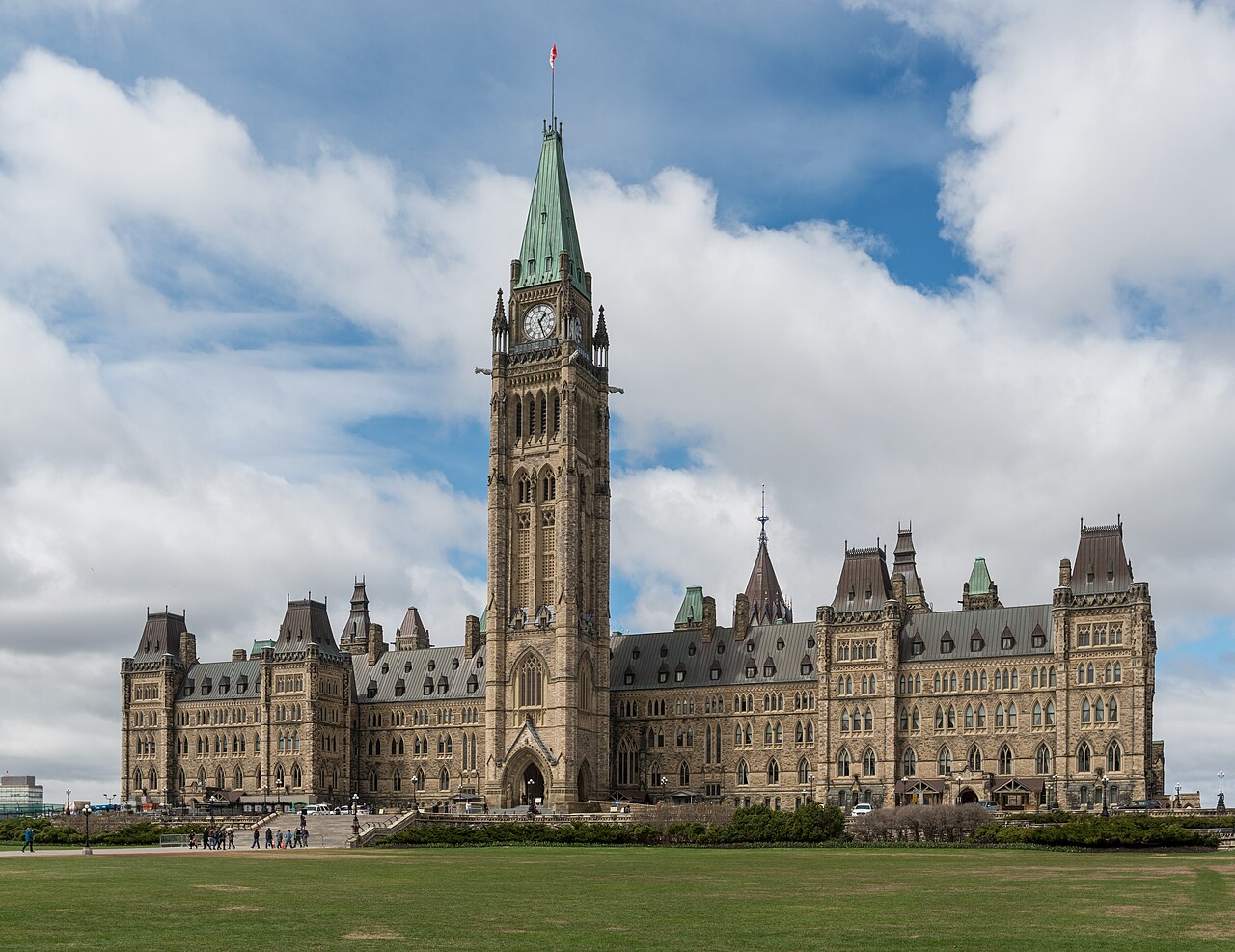
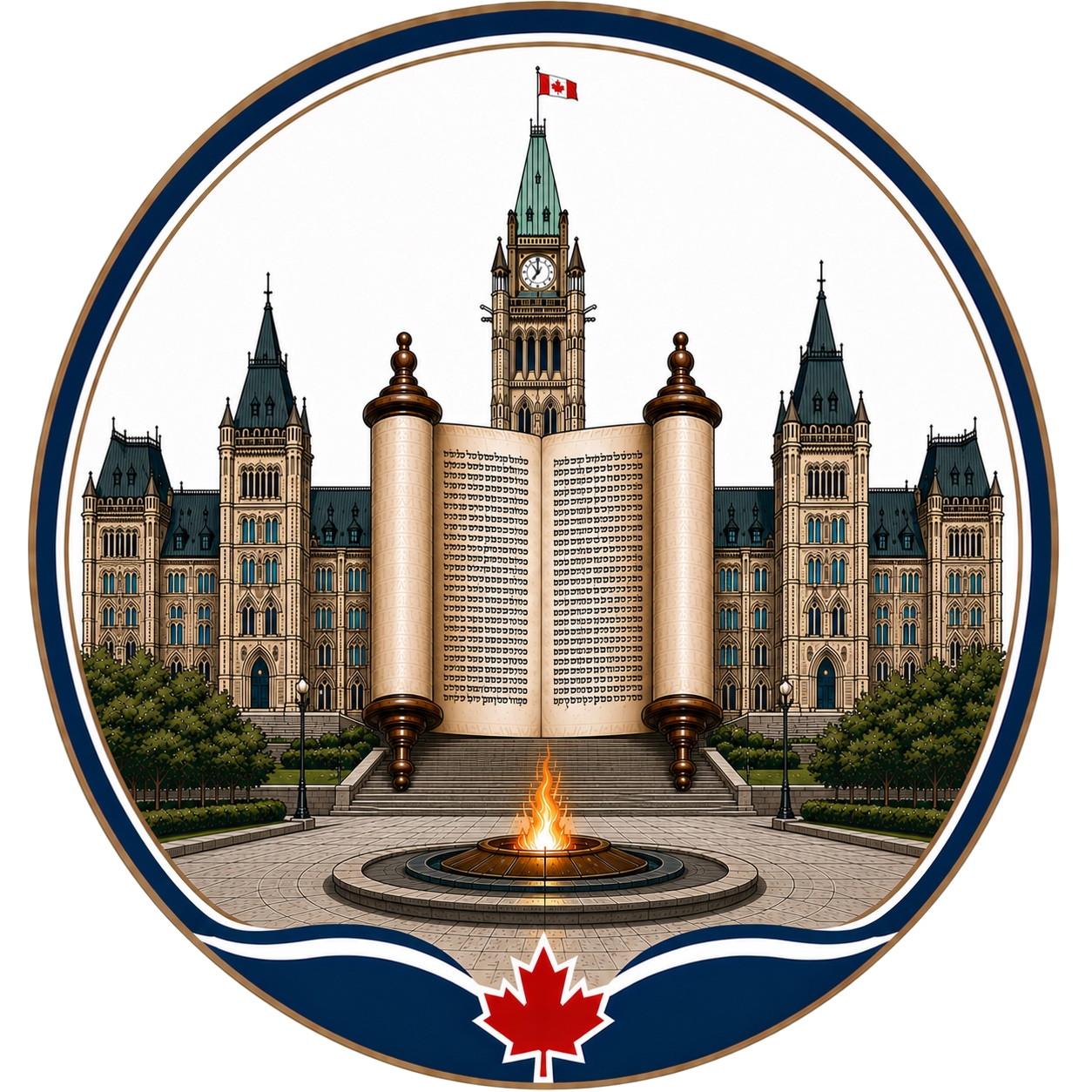
The project to showcase a rescued Holocaust scroll on a Parliament Hill not only deepens these connections. It demonstrates to non-Jewish Canadians and to the estimated 3 million annual visitors of all faiths who visit Parliament Hill that there is a strong connection between a historic cultural resource and Canada’s parliament buildings that house it.